


Article Content:
What is the MIND Diet? How is it Applied to Protect Brain Health?
In today’s world, with the extension of life expectancy, the concept of healthy aging has transformed into a more holistic approach that covers not only the preservation of physical performance but also the sustainability of cognitive functions. Alzheimer’s disease and other neurodegenerative conditions are ranked among the most significant health problems in the elderly population and impact quality of life severely.
One of the most important facts to consider is that brain health is largely shaped by lifestyle and nutrition. In recent years, studies have revealed that certain dietary patterns can slow down cognitive decline and reduce the risk of neurodegenerative diseases. One of the most remarkable models among these is known as the MIND diet.
What is the MIND Diet? Which Nutritional Models is it Based On?
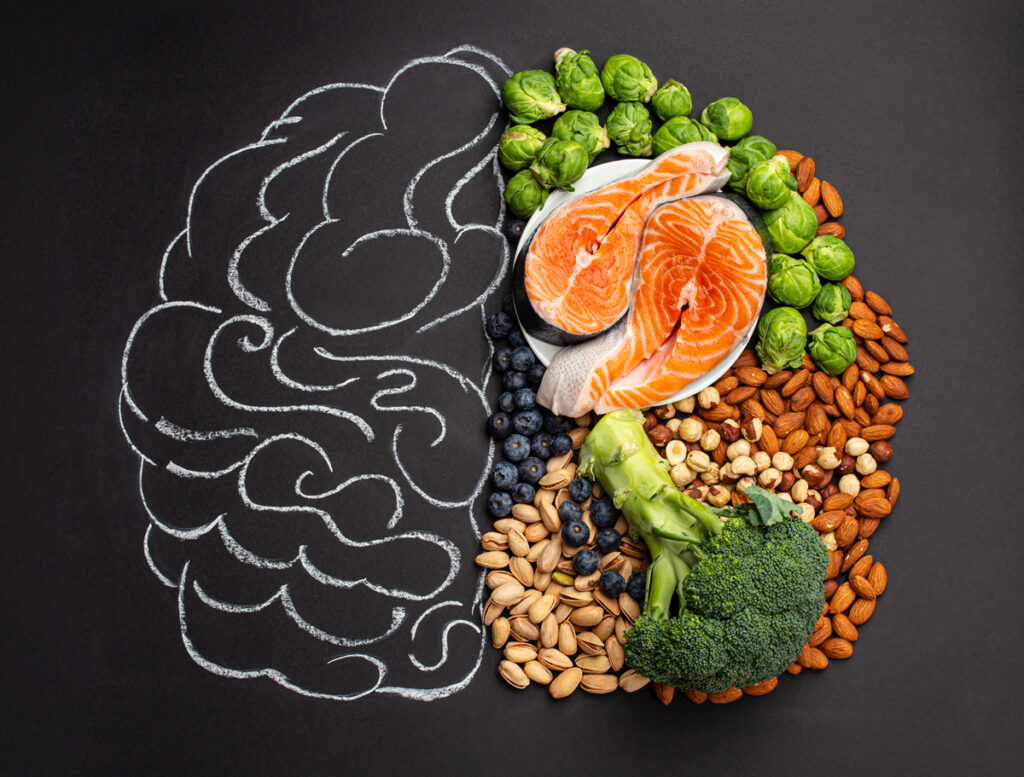
The MIND diet (Mediterranean-DASH Intervention for Neurodegenerative Delay) is a nutritional model created by combining the fundamental principles of the Mediterranean and DASH diets, optimized specifically for protecting brain health.
In addition to supporting general health, the following goals are aimed to be achieved through this approach:
- Slowing down cognitive decline
- Reducing the risk of Alzheimer’s disease
- Supporting memory, focus, and learning capacity
- Minimizing neuronal damage and inflammation
Therefore, unlike traditional nutritional recommendations, the MIND diet focuses on food groups that have a measurable effect on the brain and the frequency of their consumption.
How Does the MIND Diet Protect the Brain? Biological Mechanisms
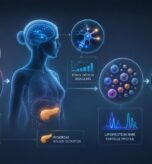
The effect of the MIND diet cannot be explained by a single mechanism. Through this model, the simultaneous regulation of multiple biological processes affecting brain health is ensured.
Reduction of Oxidative Stress
The reduction of oxidative stress is at the forefront of these processes. Free radicals are recognized as one of the primary causes of neuronal damage. Through the regular consumption of foods rich in flavonoids, polyphenols, and Vitamin E, this damage is limited and cellular aging is slowed down.
Suppression of Chronic Inflammation
Furthermore, low-grade chronic inflammation is another critical factor playing a role in Alzheimer’s pathogenesis. Through Omega-3 fatty acids, olive oil, and botanical compounds, the inflammatory response is suppressed, and synaptic functions are helped to be preserved.
Neuronal and Vascular Protection
Neuronal and vascular protection is also provided by the MIND diet. B-group vitamins—especially B6, B12, and folate—reduce neurotoxicity by lowering homocysteine levels and can slow down the progression of brain atrophy. By preserving vascular health, cerebral blood flow is supported, and the sustainability of cognitive performance is enhanced.
Effect via the Gut-Brain Axis
Another dimension of these effects emerges through the gut-brain axis. Through a diet rich in fiber and polyphenols, microbiota balance is supported, the production of short-chain fatty acids is increased, and neurotransmitter synthesis is influenced, creating a powerful indirect effect on the neurological system.
Which Foods Stand Out in the MIND Diet?
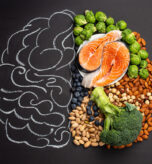
The MIND diet is based on the regular and sufficient consumption of specific food groups. Protective food groups identified for brain health can be summarized as follows:
- Leafy Greens: At least 1 serving per day, 6–7 times a week should be consumed.
- Other Vegetables: At least 1–2 servings should be included in the daily diet.
- Berries: Especially blueberries and blackberries should be consumed at least 2–3 times a week.
- Nuts: About a handful should be consumed daily. Neuroprotective effects are provided especially by walnuts.
- Legumes: At least 3–4 servings should be consumed per week.
- Whole Grains: About 3 servings should be consumed daily.
- Fish: Should be consumed at least 1–2 times a week; fatty fish like salmon or sardines should be preferred.
- Olive Oil: Should be used as the primary source of fat in the daily diet.
- Poultry: 2–3 servings can be consumed per week.
Which Foods Should be Limited?
The MIND diet is also defined by foods that are known to accelerate neurodegenerative processes and should therefore be limited:
- Red Meat: Should be limited to a maximum of 3 servings per week.
- Butter and Margarine: Daily consumption should be kept under 1 tablespoon.
- Cheese: Limiting to 1 serving per week is recommended.
- Refined Sugar: Consuming no more than 3–4 servings per week is suggested.
- Fast Food: It is recommended not to consume more than once a week.
The LaraHealth Perspective: Why is the MIND Diet So Valuable?
In the LaraHealth approach, the MIND diet is not evaluated merely as a “meal plan.” Through this model, epigenetic mechanisms are influenced, mitochondrial functions are supported, and inflammation is modulated. A systemic balance is established via the gut-brain axis. This approach is treated as a longevity strategy for the brain.
Brain health is a process shaped not only by genetic heritage but by the choices made every day. By addressing this process holistically with the LaraHealth approach, you can start from the right place.
Frequently Asked Questions
1. Does the MIND diet help with weight loss?
While the primary goal is cognitive health, healthy weight loss can be supported due to the whole foods and low refined sugar content included in the diet.
2. Can the MIND diet completely stop Alzheimer’s?
Scientific data shows that Alzheimer’s risk can be reduced by 53% with regular adherence; however, genetic factors also play a role in the process.
3. Is red meat completely banned in this diet?
No, instead of a total ban, it is recommended to limit weekly portions to 3 within the MIND diet framework.
4. Why are berries so important?
Berries like blueberries are rare fruits that support memory and learning functions due to their anthocyanin content.
5. Should olive oil be consumed cooked?
To preserve its nutritional value, it is advised to consume olive oil raw or using low-heat cooking methods.
6. Can the MIND diet be applied to children?
Yes, it can be applied from childhood to support healthy brain development and increase cognitive capacity.
7. Can canned fish be included in the diet?
Fresh fish is preferred; however, high-quality, low-sodium canned options are an alternative to reach weekly goals.
8. Are coffee and tea included in the MIND diet?
Yes, sugar-free coffee and tea can contribute to cognitive health due to the polyphenols they contain.
9. How long does it take for the effect to be seen?
Cognitive protection is a long-term process. The most prominent results are achieved through consistent implementation over several years.
10. How does LaraHealth support this process?
At LaraHealth, nutritional patterns are transformed into a personalized strategy by evaluating individual biological data, metabolic tests, and genetic risks.