


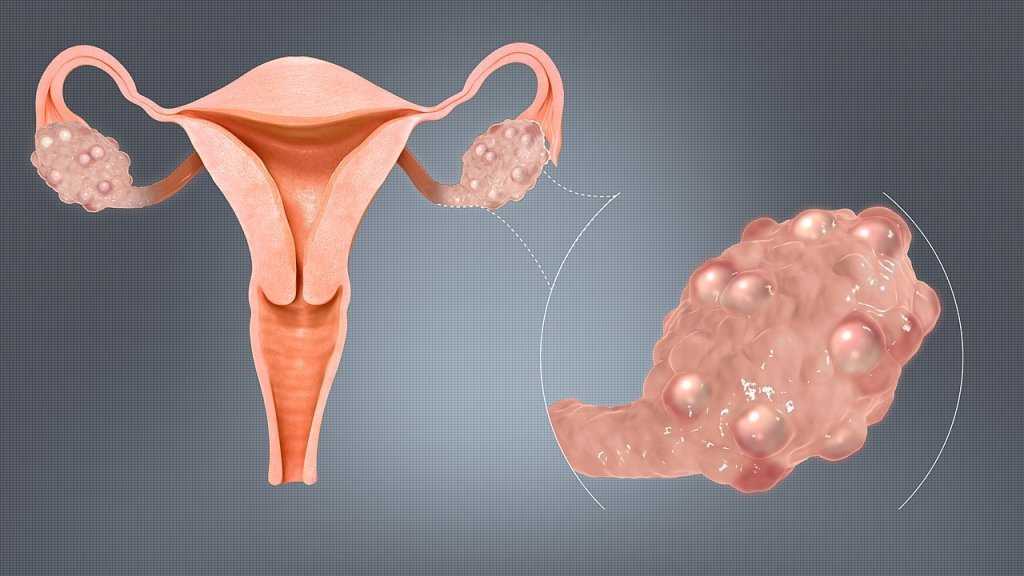
Article Content:
PCOS: Symptoms, Clinical Presentations, Phenotypes, and Life Stages
1 Why are Symptoms So Variable in PCOS?
Polycystic Ovary Syndrome (PCOS) is not considered a condition with uniform symptoms. It is stated that one of the main reasons for this variability is that PCOS manifests differently depending on the life stage of the individual. It is known that a presentation starting with menstrual irregularity in adolescence can progress to infertility in reproductive years and metabolic risks in later life.
2 Most Common Symptoms in PCOS
It is expressed that PCOS symptoms often develop slowly and their recognition may be delayed. It is highlighted that the severity and appearance of these symptoms change with age.
2.1 Menstrual Irregularities and Ovulation Issues
Menstrual irregularities are accepted as one of the earliest and most common findings of PCOS. During reproductive years, irregular ovulation is stated to become more apparent when pregnancy plans are considered. It is known that PCOS is often diagnosed during infertility investigations during this period.
2.2 Symptoms Related to Androgen Excess
Symptoms such as acne, excessive hair growth (hirsutism), and hair loss due to androgen excess are stated to be prominent, especially during adolescence and young adulthood. It is observed that hormonal balance is reshaped in different ways over time.
2.3 Metabolic Symptoms and Weight Changes
Metabolic symptoms are stated to form the aspect of PCOS that becomes more evident in later life stages. It is emphasized that insulin resistance and cardiometabolic risks can become dominant during perimenopause and menopause. Therefore, it is expressed that PCOS should be evaluated as a lifelong metabolic risk condition.
2.4 Mental and Emotional Symptoms
Fatigue, difficulty focusing, and mood swings are stated to be dimensions of PCOS seen in every stage, yet frequently overlooked.
3 The Relationship Between PCOS Phenotypes and Life Stages
It is expressed that phenotypes define the biological aspect, while life stages determine when and how this aspect becomes visible. In metabolically-driven PCOS, the risk of diabetes increases in later years, whereas lean PCOS often becomes prominent with ovulation issues during reproductive years. It is known that adrenal-driven or inflammatory PCOS can present with different clinical priorities over time.
4 The Changing Face of PCOS Throughout Life Stages
While skin problems are at the forefront during adolescence, the focus is stated to shift toward pregnancy planning during reproductive years. It is emphasized that after menopause, PCOS ceases to be a fertility issue and becomes a determinant of cardiovascular risks.
5 Understanding PCOS Symptoms Correctly
It is stated that PCOS symptoms should be read as signals given at different times of a biological process spread over time. This perspective is accepted as transforming PCOS from a static diagnosis into a dynamic health journey.
6 Treating PCOS as a Personal and Temporal Health Journey
It is expressed that PCOS tells a different story in every woman. When correctly evaluated, this condition is stated to be not just a problem to be managed, but a guide for early detection of future health risks.