



Table of Contents:
5 Effective Solutions for Abdominal Fat
One of the most common questions women over 40 ask is: “Why is my abdominal area gaining fat even though I eat the same way?”
There are two main reasons. First, muscle mass decreases with age. This is more pronounced in individuals who do not exercise regularly. As muscle mass decreases, metabolism slows down, making abdominal fat accumulation easier. Second, the decline in estrogen levels is closely related to body fat distribution.
Abdominal fat is a risk factor for metabolic diseases such as type 2 diabetes, insulin resistance, and cardiovascular conditions. Therefore, simple yet effective lifestyle changes can help manage this process. Here are scientifically supported ways to reduce abdominal fat:
1. Consume Adequate Protein
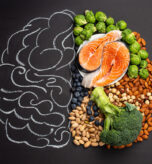
Protein prolongs satiety and helps preserve muscle mass during calorie restriction, supporting fat loss. Studies show that consuming 1.2–2.4 grams of protein per kilogram of body weight daily is effective. Include both animal sources like meat, chicken, and fish, and plant sources such as chickpeas and lentils.
2. Eat Fiber-Rich Foods
Fiber slows stomach emptying, keeps you full longer, supports gut health, and improves insulin sensitivity. Vegetables, fruits, whole grains, legumes, and nuts are the best ways to increase fiber intake.
3. Try Intermittent Fasting
Intermittent fasting involves eating during specific hours and fasting for the remaining period. The most common method is 16 hours fasting – 8 hours eating (16:8). Research shows that this approach can reduce abdominal fat. Meal timing and duration should be personalized by a dietitian.
4. Drink Green Tea
Green tea, with its catechins (EGCG) and caffeine, supports fat burning. Regular consumption can contribute to abdominal fat reduction. Aim for 2–3 cups of unsweetened green tea daily.
5. Increase Omega-3 Fatty Acids
Omega-3 fatty acids reduce inflammation, support metabolic health, and may reduce fat accumulation. It is recommended to consume fatty fish such as salmon, sardines, or mackerel twice a week. If necessary, approved omega-3 supplements can be used.
Reducing abdominal fat cannot be achieved with a single change; it requires a holistic lifestyle approach. Adequate protein intake, fiber consumption, balanced nutrition, and anti-inflammatory support help manage this process effectively. Always act according to your individual health condition.
DYT. MELİKE ŞEYMA DENİZ
Dietitian