Published on January 7, 2026, the new guidelines represent a long-anticipated shift in nutritional thinking.After decades dominated by calorie counting, the new framework signals a simpler yet more fundamental perspective:Eating Real Food.
This update moves away from a purely quantitative view of nutrition toward a biological one.Ultra-processed foods are explicitly targeted, protein is emphasized, and the gut microbiome is officiallypositioned at the center of health.
The guidelines explicitly categorize packaged snacks, sugar-sweetened beverages, and industrial oils as driversof inflammation and chronic disease.
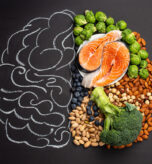
Instead, real foods are elevated to the core of nutrition:
This shift acknowledges that nutrition is about biological responses, hormonal balance, and cellular health—notjust calories.
The redesigned food pyramid delivers a clear message: carbohydrate-heavy grains, once the base, are nowrepositioned at the narrowest level.
The foundation now consists of proteins, vegetables, healthy fats, and dairy.
The objective extends beyond weight management to preserving muscle mass, supporting metabolic health, andcontrolling inflammation.
Highlighting increased protein requirements with age to combat sarcopenia, the guidelines recommend:
Daily Protein Intake: 1.2–1.6 g/kg
This represents a substantial increase from the former 0.8 g/kg minimum.Protein is no longer merely “adequate” but a primary structural nutrient prioritized at every meal to supportmetabolic flexibility and glucose regulation.
For the first time, gut health is defined as a central determinant of overall health.
The guidelines emphasize fiber-rich vegetables and fruits, recommending2–4 daily servings of fiber-rich foods.This framework supports inflammation control, immune resilience, and mental health.
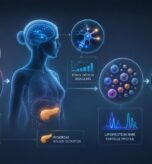
Despite these advances, the guidelines largely retain a one-size-fits-all approach.Clinical biology demonstrates that genetics, microbiome composition, and mitochondrial function shapeindividual metabolic responses.
A fiber-heavy diet may benefit one person while triggering inflammation in another.Concepts such as metabolic flexibility, intermittent fasting, or ketogenic nutrition—widely discussed inlongevity research—remain unaddressed.
Rather than a final destination, the 2025–2030 Dietary Guidelines represent an important—but incomplete—firststep toward biologically informed nutrition.
At LaraHealth, we believe understanding individual metabolic profiles is essential for turning guidelines intoeffective strategies. We invite you to explore our expert-led approach for deeper, personalized insight.