


Article Content:
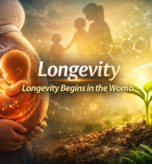
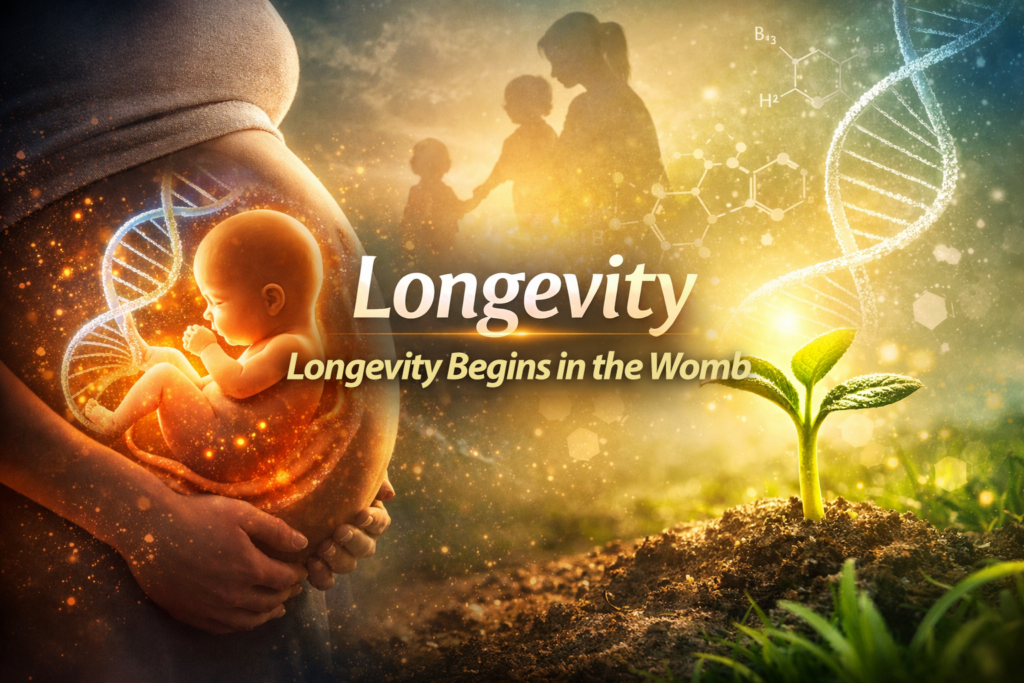
Longevity Begins in the Womb
Pregnancy is not just a birth process. It is a critical period where the biology of the mother and the child change simultaneously, and the foundations of lifelong health are laid.“Future health does not begin at birth. It begins to take shape silently much earlier, in the mother’s womb.”A significant portion of an individual’s metabolic balance, immune capacity, hormonal rhythm, and susceptibility to chronic diseases in later years is programmed during the earliest stage of life. Modern science now demonstrates this connection undisputedly. Therefore, the pregnancy process is not merely a birth phase; it is the first and most critical biological threshold of lifelong health. LaraHealth treats this process as a period where the biology of two generations changes and is optimized simultaneously. A healthier child, a stronger mother, and a longer, higher quality of life for both — it all starts at the same point.
Health is Programmed Before Birth
The approach known in scientific literature as “Developmental Origins of Health and Disease” (DOHaD) reveals that the foundations of many chronic diseases are laid in early life. The metabolic system is formed before birth; although genetic structure is fixed, how these genes function varies according to conditions in the womb. The LaraHealth approach is positioned exactly at this point. It treats pregnancy not as a standard follow-up process, but as a biological programming process that needs to be actively managed.“Genetic structure is not a destiny, but a set of possibilities. Pregnancy is the most important period that determines which direction these possibilities will take shape.”
Epigenetics: The Silent Architect of Health
A baby’s DNA sequence does not change — however, how these genes will be expressed is largely determined during pregnancy. The mother’s nutritional habits, metabolic balance, hormonal environment, and environmental exposures directly affect biological mechanisms and the way genes function. For this reason, individuals with the same genetic structure can experience completely different health journeys due to different conditions during the pregnancy process. At the core of this difference lies the invisible but decisive process of biological programming.Invisible Risk: Environmental Exposures
Many chemicals encountered in daily life without being noticed can show a direct effect on the developing fetus. Plastic derivatives, chemical-based cosmetic products, pesticides, and air pollution are at the forefront of these factors. These substances can disrupt hormonal balance, cross the placental barrier to reach the fetus, and affect organ development. Therefore, modern pregnancy management cannot be limited only to vitamin and supplement support. Reducing environmental exposure and protecting the biological environment is an integral part of the process.Pregnancy: The Health Map of the Future
Some clinical findings emerging during the pregnancy process are not just specific to that period. As stated below, these are also early indicators of health risks in later years.- Gestational diabetes — increases the mother’s risk of postpartum type 2 diabetes; it also affects the child’s metabolic programming.
- Preeclampsia — is a long-term cardiovascular risk indicator for both mother and child.
- Preterm birth — can leave long-term effects on neurological development and the maturation of the immune system.
Pregnancy is a Biological Test for the Mother
Pregnancy does not only shape the baby’s biology — it also reveals the mother’s biological capacity. During this process, the cardiovascular system, kidney functions, metabolic balance, and immune response are significantly strained; underlying vulnerabilities become visible. Complications experienced during pregnancy are associated with an increased risk for cardiovascular diseases, hypertension, and metabolic disorders in later years. When correctly evaluated, these findings turn into a powerful preventive health opportunity.“Pregnancy is a stress test. It makes a woman’s biology visible with extraordinary clarity. Reading this window correctly is one of the most valuable tools of the preventive medicine approach.”
LaraHealth Approach: Pregnancy Management in Four Stages
LaraHealth treats pregnancy not as a standard follow-up process, but as a dynamic biological process that must be optimized specifically for the individual.- Pre-pregnancy preparation: The process begins before pregnancy. Mother and father biology are evaluated together; metabolic balance, nutritional status, hormonal structure, and potential risks are analyzed. The goal is to make the strongest possible start to the process.
- Active monitoring throughout pregnancy: Monitoring during pregnancy is not limited to routine check-ups. Metabolic and hormonal balances are closely tracked, and the biological environment in which the fetus develops is evaluated. Potential risks are detected early, and the intervention plan is continuously updated.
- Lifestyle and environment management: Environmental exposure, sleep patterns, stress management, and biological rhythm are actively managed. A healthy pregnancy is shaped not only by clinical parameters but by the entirety of daily life.
- Post-birth longevity plan: The process does not end with birth. Biological data emerging during pregnancy is turned into a guide for the mother’s future health, and a long-term, personalized health plan is created.