


Article Content:
As long as we continue to reduce love to the grand gestures of romantic movies, a racing heart, or merely a poetic emotion, we will continue to miss one of its most powerful biological effects. Today, we have a clear scientific fact: Love is a powerful longevity factor that directly affects not only mood but also cell metabolism, the immune system, and the rate of aging.
Can We Say ‘Love Rejuvenates Humans’?
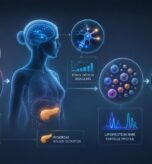
The human body evolved to connect. Being in a secure relationship—feeling seen, touched, and belonging—increases oxytocin release. Oxytocin is not just the “bonding hormone”; it is also a biological regulator that suppresses cortisol, reduces inflammation, and supports cellular repair.
In this environment, mitochondria work more efficiently, the immune system responds more balanced, and telomere shortening slows down. In other words, love creates a true “anti-aging” effect at the cellular level.
What Are the Dangers of Loneliness?
The common characteristic of individuals defined as “superagers” in scientific literature, who maintain the cognitive performance of a 50-year-old in their 80s, is surprising: It is neither special diets nor extreme exercises. The common denominator is strong social bonds, meaningful relationships, and low levels of perceived stress.
On the other hand, loneliness and toxic relationships are silent threats to biology. A state of constant alertness puts the organism into “danger mode.” Cells turn to defense instead of growth and repair; inflammation increases, energy production drops, and the ground is prepared for chronic diseases. It is no coincidence that loneliness carries a mortality risk similar to smoking.
Is the Secret to Longevity Hidden in Love?
Longevity is often discussed in terms of supplements, biomarkers, and lifestyle protocols. However, the determining factor is often overlooked: Who you live with, how you connect, and how safe you feel. This is the common secret of long-living societies.
Love here is not a romantic privilege; it is a biological necessity. Perhaps we should ask the question differently now: Could who we love and how we love determine our destiny as much as what we eat to live longer? Because love is one of the most powerful longevity interventions that penetrates down to your cells.