



Table of Contents:
We Cannot Eliminate Stress, But We Can Manage It
Stress is the body’s response to all unpleasant stimuli. In moderation, stress motivates studying, exam preparation, achievement, and survival.
The first scientific publication on stress was in 1936 by Hans Selye in Nature. Regardless of the type, stress produces the same response in the body.
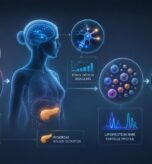
Stress is not only psych-emotional. High blood sugar, insulin resistance, imbalanced stomach acidity, high blood pressure, and deficiencies in vitamins, minerals, and amino acids also create stress in the body.
It may cause adrenal gland enlargement, atrophy of the thymus and lymph tissue, and ulcers in the stomach and duodenum.
Stages of Stress: Alarm – Adaptation – Exhaustion
Stress blocks the conversion of pregnenolone to DHEA, increasing cortisol levels in the body.
DHEA is a precursor molecule for testosterone and estrogen, crucial for:
- Supporting the immune system
- Maintaining muscle mass
- Bone formation
- Mental performance
When cortisol rises: blood pressure and heart rate increase, blood sugar and cholesterol rise to supply energy, and non-essential functions like bone formation, skin repair, reproduction, and digestion are postponed. Estradiol and testosterone are suppressed, digestion slows, stomach acid decreases, calcium absorption drops, parathyroid hormone rises, and the immune system is suppressed.
Alarm Stage (Fight or Flight)
Respiration accelerates, heart rate and blood pressure rise, pupils dilate, red blood cells become more prone to clotting, digestion slows, and blood is directed to vital organs.
Adaptation Stage
Effects of high cortisol appear. Immune system is suppressed, digestive system, reproductive system, and skin repair slow down. Energy demand increases.
Exhaustion Stage
When stress is unmanageable, energy depletes, the body enters a catabolic phase, and tissue breakdown begins. Organ damage and dysfunction may occur, making the body vulnerable to psychological and physical diseases.
Chronic stress leads to DNA damage, shortened telomeres, oxidative stress from increased free radicals, mitochondrial damage, aging, and reduced quality of life.
Applications for Stress Management
Activate the vagus nerve. Breathing exercises 3 times a day for 3–5 minutes using 3-6-6 breathing activate the parasympathetic nervous system.
Activation of the parasympathetic nervous system also stimulates the prefrontal cortex.
- Breathing exercises
- Yoga
- Meditation
- Tai-Chi
- Singing or chanting “ohmm”
- Listening to 0.15–0.40 Hz frequency sounds
- Regular aerobic exercise
- Cold face rinse after exercise
- Walking barefoot on the ground
- Applying ice around the ears
- Gag reflex with tongue scraper
- Cold shower after sauna
- Sleeping on the right side for quality rest
- Chewing gum
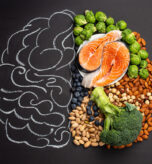
- Healthy nutrition
- Eating slowly and chewing thoroughly
- Drinking water with appropriate pH
- Prioritizing probiotic foods for gut microbiota health
What Happens When the Vagus Nerve is Stimulated?
- Cortisol and stress hormones decrease
- Heart rate and blood pressure decrease
- Sleep quality improves
- Insulin resistance decreases
- Abdominal fat decreases
- Blood sugar and cholesterol levels drop
- Risk of chronic inflammatory diseases decreases