



Table of Contents:
Optimal Nutrition Approach in Polycystic Ovary Syndrome (PCOS) Treatment
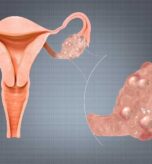
Polycystic Ovary Syndrome (PCOS) is an endocrine and metabolic syndrome affecting women of reproductive age worldwide. Many genetic and environmental factors contribute to its etiology. It manifests with ovarian cysts, androgen and other hormonal imbalances, hirsutism, and inflammation. Research highlights the crucial role of nutrition in improving health outcomes for individuals with PCOS.
Why Nutrition Matters in PCOS Treatment
Women with PCOS are at higher risk of obesity, systemic inflammation, metabolic syndrome, insulin resistance, or a combination of these chronic conditions. These risks can lead to diabetes, cardiovascular diseases, and other health complications.
More than half of women with PCOS experience insulin resistance. Insulin acts as a key, allowing glucose—the body’s energy source—to enter cells. In insulin-resistant individuals, this process is impaired, causing glucose to accumulate in the bloodstream and store in fat cells, increasing diabetes risk. Excess insulin affects not only the ovaries but also the cardiovascular system, leading to complications like hirsutism, acne, hyperandrogenism, gestational diabetes, hypertension, obesity, and pregnancy-related complications.
Android-type obesity is common among women with PCOS, characterized by fat accumulation around the waist and trunk, increasing the risk of hypertension and dyslipidemia.
Not all individuals with PCOS display these symptoms, but nutrition has positive effects. Maintaining a healthy diet and weight is key for a holistic approach to PCOS management.
Is There a Miracle Food in PCOS Treatment?
No single food is a miracle for PCOS, but a varied and colorful diet, implemented correctly, can significantly support health outcomes.
The Mediterranean Diet is often recommended for PCOS management. It minimizes inflammatory triggers like refined sugar, processed foods, and saturated fats, while emphasizing healthy fats, fiber-rich whole grains, and antioxidant-rich fruits and vegetables. This sustainable approach integrates easily into daily life, offering long-term benefits.
Key Components of a PCOS-Friendly Diet
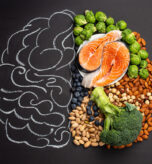
- Omega-3-rich fish like baked or grilled salmon
- Olive oil instead of butter or margarine
- Plant-based proteins such as beans and legumes alongside moderate red meat intake
- Green leafy vegetables (spinach, kale, lettuce), mushrooms, peppers, broccoli, cauliflower, peas, celery
- Whole grains (buckwheat, flaxseed, bulgur, whole wheat bread)
- Fruits for fiber, satiety, and digestion
- Adequate water intake
Foods to Avoid in PCOS
- Fried foods (fries, chips, fried chicken or fish)
- Saturated fats (butter, margarine)
- Processed meats
- Sugary snacks (cakes, cookies, candies)
- Refined grains
- Sugary and carbonated beverages
- Alcohol
- White rice and refined bread
Gut Permeability in PCOS
Recent studies indicate that increased gut permeability and microbiome dysbiosis may contribute to insulin resistance and inflammation in women with PCOS. Symptoms such as bloating, gas, cramps, food sensitivities, joint pain, and skin rashes may signal gut issues, warranting consultation with a gastroenterologist and a specialized dietitian.
Supplement Support in PCOS Treatment
Research shows certain nutritional supplements and vitamins can alleviate PCOS symptoms and improve metabolic health. Individual needs vary. Key supplements include:
- Inositol – Improves insulin resistance and hormonal balance
- Alpha Lipoic Acid (ALA) – Reduces inflammation through antioxidant effects
- Vitamin D – Supports menstrual regulation and fertility
- B-Complex Vitamins (B6, B12, folate) – Supports mood and metabolism
- Omega-3 – Balances inflammation and reduces insulin resistance
- Magnesium – Supports glucose metabolism, muscle, and nerve function
- Berberine – Enhances insulin sensitivity and regulates blood sugar
Key Considerations in PCOS Management
Polycystic Ovary Syndrome (PCOS) is not only about hormonal imbalance; metabolic and inflammatory factors also influence the condition. Adopting a multifaceted approach is crucial.
Receiving a PCOS diagnosis does not mean poor health. You can take responsibility, minimize symptoms, and maintain well-being.
Managing PCOS symptoms reduces the risk of chronic diseases and supports long-term health. Essential strategies include healthy nutrition, regular physical activity, adequate sleep, and stress management.
Since PCOS symptoms vary among individuals, personalized solutions guided by expert support and regular medical follow-up are critical.
Take control and become #YourBestSelf with personalized PCOS solutions!