



Table of Contents:
Endometriosis and Nutrition: Scientific Ways to Reduce Inflammation
Endometriosis is a hormone-related chronic inflammatory condition affecting approximately 15% of women of reproductive age. It can impact not only physical but also emotional and social well-being. Although its exact cause is unknown, immune system dysfunction, hormonal imbalances, genetic predisposition, and inflammation are thought to play a role in its development.
Common Symptoms
The most common symptom is chronic abdominal pain. Infertility is observed in 30–50% of cases. Other frequent symptoms include dysmenorrhea (painful menstruation), dyspareunia (painful intercourse), dysuria (painful urination), and dyschezia (painful defecation). Recent studies indicate that nutrition plays a key role in both the development and management of endometriosis.
Plant-Based Diet and Potential Protective Effects
Vegetable-focused, plant-based dietary patterns may reduce endometriosis risk. This effect is explained by regulation of DNA methylation in disease-related genes. However, environmental toxins such as pesticides may increase risk. Vegetables should always be included in the diet, preferably organic and pesticide-free.
Antioxidants in fruits and vegetables (vitamins A, C, E, and folate) reduce free radicals, suppress inflammation, and help lower endometriosis risk. Include a variety of colorful vegetables on your plate and consume 1–2 servings of fruit daily.
Trans Fats and Increased Inflammation Risk
Trans fats found in processed foods increase inflammatory markers such as TNF-alpha, interleukin-6, and CRP, triggering systemic inflammation. Studies show that trans fat intake may increase endometriosis risk. Avoid processed and fried foods.
Omega-3 Fatty Acids: Healing Potential
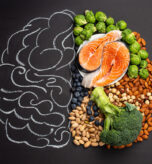
Omega-3 fatty acids play a critical role in balancing inflammatory cytokines and prostaglandins. Consuming fish, walnuts, flaxseed, or taking omega-3 supplements under medical supervision may help prevent progression of endometriosis lesions.
Vitamin D and Immune Balance
Vitamin D is crucial for regulating the immune system. Deficiency may contribute to inflammatory diseases. Regular monitoring of vitamin D levels supports immune and hormonal balance.
Carbohydrate Quality and Hormone Balance
Fiber-rich and low glycemic index carbohydrates help maintain insulin balance and support hormonal health. Refined carbohydrates can raise estrogen levels and trigger endometriosis. Prefer whole grains, legumes, and vegetables.
Alcohol and Estrogen Levels
Alcohol consumption increases aromatase enzyme activity, raising estrogen levels, and weakens the immune system, leading to chronic inflammation. Regular alcohol intake has been linked to increased endometriosis risk.
Conclusion: Managing Endometriosis Through Nutrition
Current evidence shows that nutrition plays a key role in both the development and course of endometriosis. Antioxidants, omega-3 fatty acids, vitamin D, and fiber-rich foods provide protective effects, while trans fats, refined carbohydrates, and alcohol should be avoided. Proper dietary habits offer a holistic support in managing endometriosis.